Most trees on the High Plains need trimming once every one to three years, though the exact answer depends on the tree's age, species, and how it's growing in our wind, drought, and caliche soil conditions. Young trees usually need a light shaping cut every year, while mature, well established trees can often go two to three years between visits. There's no single rule that fits every yard in Amarillo, Canyon, or the surrounding Panhandle towns, but there is a clear framework you can use to figure out what your own trees need.
Below, we'll break down that framework in plain terms, cover the species you're most likely to be growing here, and explain how our unique climate changes the math compared to what you'd read in a generic tree care guide written for Houston or Dallas.
The Short Answer, By Tree Age
Tree age is the single biggest factor in trimming frequency, more than species or even location.
Young trees (planted within the last five years) benefit from structural pruning every year. This is the stage where you're training the tree's shape, correcting weak branch angles, and removing competing leaders before they become permanent problems. Skipping this step in the first few years is one of the most common reasons Panhandle trees end up with lopsided canopies or branches that split during a spring windstorm.
Established trees (five to fifteen years old) typically do well with trimming every two years. At this stage, you're mostly removing deadwood, thinning dense areas so wind can pass through the canopy instead of pushing against it, and keeping branches clear of rooflines and power lines.
Mature trees (over fifteen years old) can often be trimmed every three years, sometimes longer, unless storm damage or disease changes that timeline. A healthy mature bur oak or cedar elm doesn't need much interference once its structure is set.
Why the Panhandle Changes the Rules

Most tree care articles you'll find online are written with Central or East Texas conditions in mind, and honestly, that advice doesn't transfer cleanly to Amarillo, Canyon, Bushland, or Randall County. A few regional realities push our trimming schedules in a different direction.
Wind is constant here. The Panhandle sees sustained wind speeds that most of the state simply doesn't deal with. Dense, overgrown canopies act like a sail, and that puts extra stress on limb unions during spring storm season. Thinning overgrown growth a bit more often than a shade tree in Dallas would need helps reduce that risk.
Rainfall is limited and soil is often alkaline caliche. Drought stressed trees heal more slowly from pruning cuts, which is part of why late winter, when trees are dormant and not actively pulling moisture, tends to be the safer trimming window here rather than mid summer.
Temperature swings are extreme. A 40 degree drop within 24 hours isn't unusual in the fall or winter, and trees that are trimmed too late in the season, or too aggressively, can be caught without enough time to seal wounds before a hard freeze.
Trimming Frequency by the Species You're Likely Growing
Local yards and windbreaks around Amarillo lean on a fairly predictable set of species, and each one has its own rhythm.
Cedar elm, one of the most common shade trees in the region, tolerates wind and clay soil well and generally only needs trimming every two to three years once established, mostly to remove deadwood and control its naturally twiggy growth habit.
Bur oak and other oak wilt resistant oaks (chinkapin oak, post oak) are tough, slow growing trees that need very little pruning once mature, maybe once every three to four years. Timing matters more than frequency here.
Cottonwoods and Siberian elms, common in older windbreaks and along drainage areas, grow fast and tend to develop weak branch unions, so they usually need more frequent attention, closer to once a year, especially for deadwood removal and canopy thinning.
Redbuds and other ornamental accent trees are compact and typically only need light shaping every couple of years, ideally right after their spring bloom.
Junipers and pines, often planted as windbreaks or privacy screens, need minimal trimming since they don't respond well to heavy cuts. A light touch every few years is usually enough.
The Oak Wilt Timing Window You Can't Ignore

If oak trees are part of your property, frequency takes a back seat to timing. Oak wilt, spread by sap feeding beetles, is a real threat across Texas, and pruning oaks during their active growing months significantly raises the risk of infection. The safest window for oak pruning in our region runs through the coldest part of winter, generally December through February, when the beetles that spread the disease are dormant. Even if your oak "needs" a trim in April, it's almost always worth waiting unless a branch is actively hazardous.
Signs Your Tree Needs Trimming Sooner Than Scheduled

Frequency guidelines are a starting point, not a rule that overrides what's actually happening on your property. Move up your trimming timeline if you notice any of the following:
- Branches rubbing against the roof, siding, or power lines
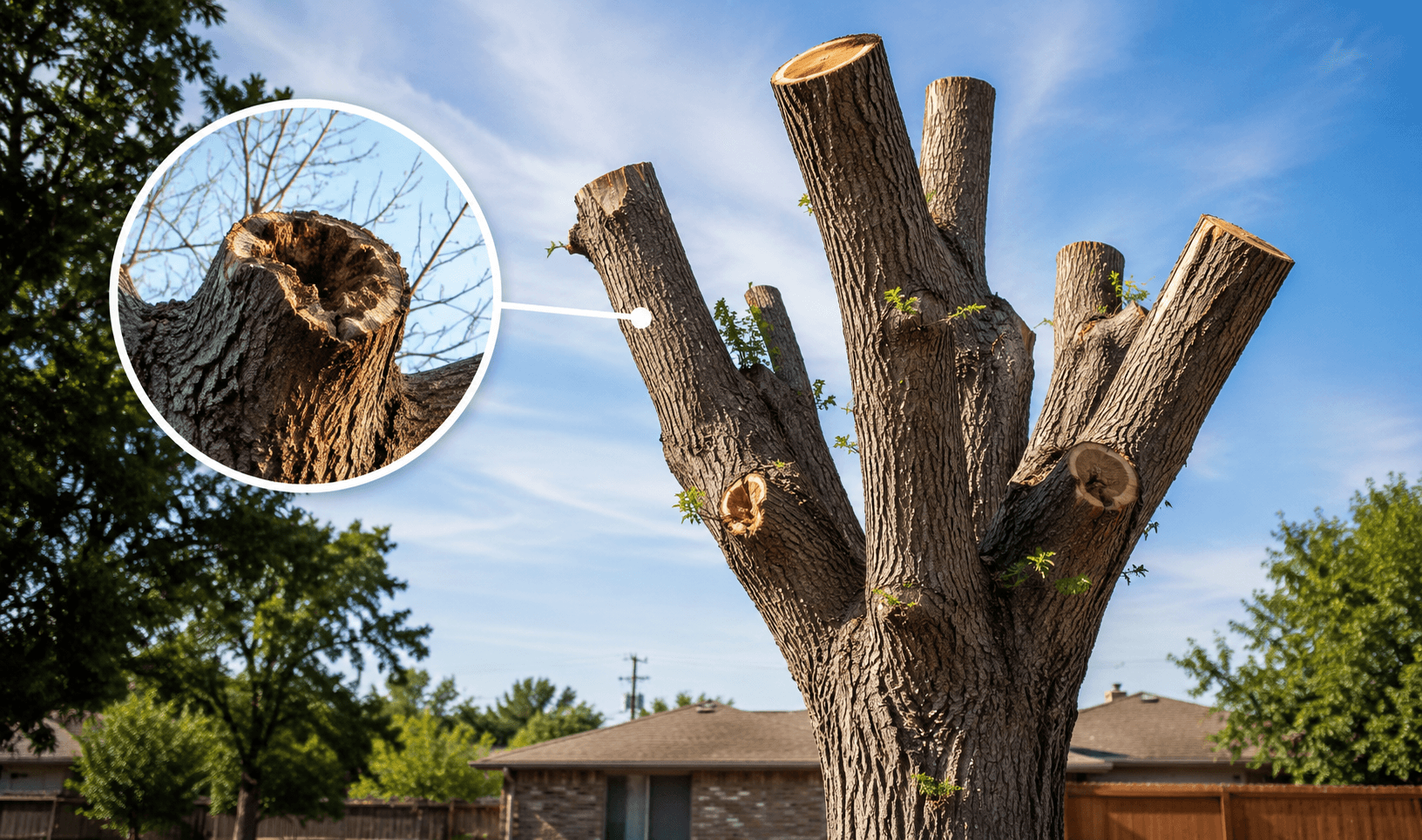
- Visible deadwood or branches with no leaves during the growing season
- New growth that's dense and crowded in the center of the canopy, blocking airflow
- Limbs hanging at an angle after a windstorm or ice event
- A lean or crack near where a large branch meets the trunk
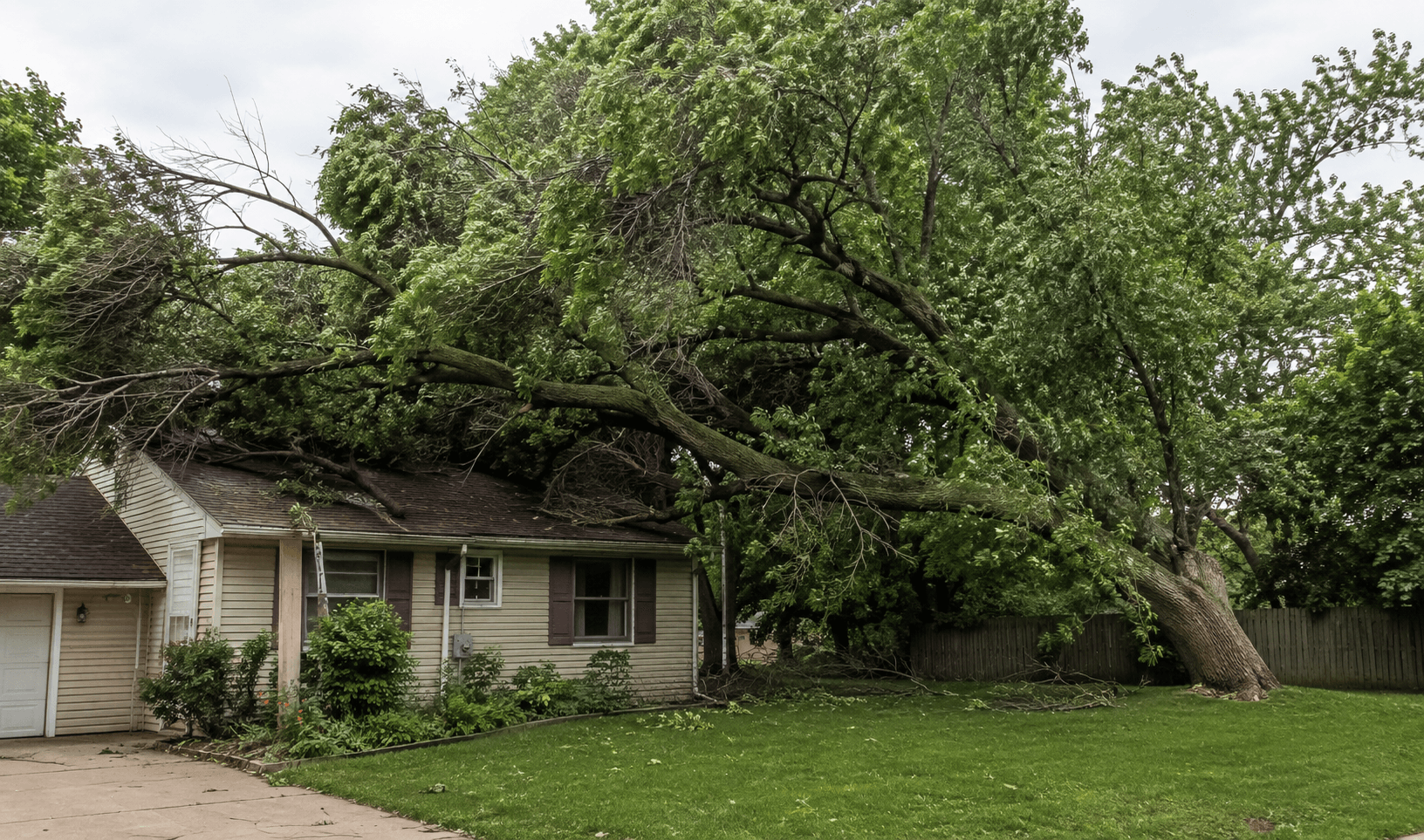
Storm damage in particular doesn't wait for a convenient season. A cracked or hanging limb after one of our spring wind events should be addressed right away, regardless of where you are in your regular trimming cycle.
A Simple Way to Think About It
If you want one rule to keep in your back pocket: young trees, check every year; mature trees, check every two to three years; oaks, only in winter; storm damage, immediately. Everything else is fine-tuning based on species and how the tree is actually behaving on your property.
Frequently Asked Questions
How often should you trim trees in the Texas Panhandle?
Most established trees do well with trimming every two to three years, while young trees benefit from annual shaping and mature oaks should generally only be pruned in winter due to oak wilt risk.
Is it bad to trim trees too often?
Yes. Over pruning removes too much leaf surface, which limits a tree's ability to produce energy and can stress it, especially in a drought prone climate like ours. Less frequent, more targeted trimming is usually healthier than a yearly heavy cut.
What time of year is best for tree trimming in Amarillo and the surrounding Panhandle?
Late winter, roughly January through early March, is generally the safest window. Trees are dormant, wounds seal before spring growth begins, and pests that spread disease are inactive.
Do all trees on the same property need trimming at the same time?
No. A young redbud, a mature bur oak, and an old cottonwood on the same lot can be on three completely different schedules depending on their age, species, and condition.
Can I trim my own trees, or should I hire an arborist?
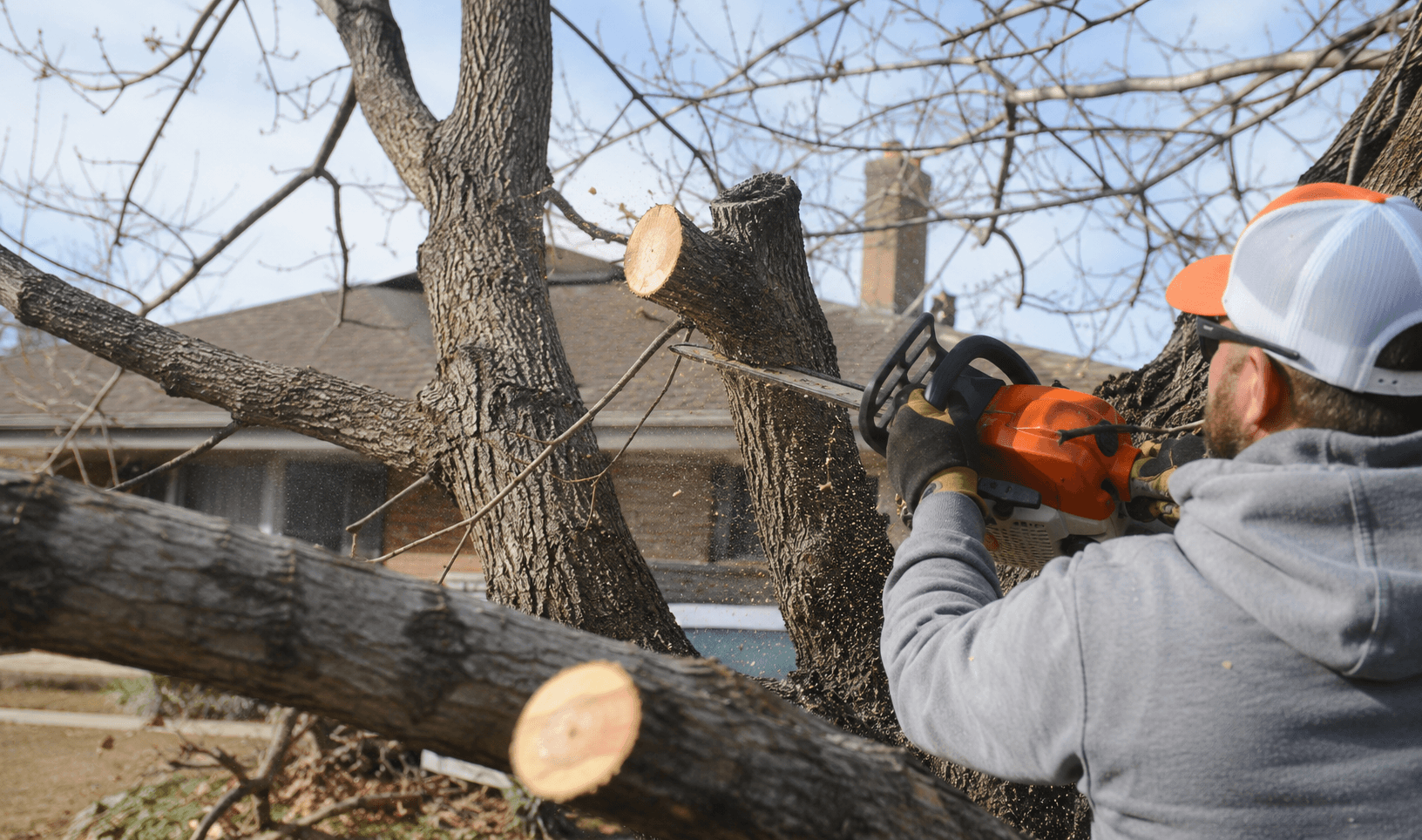
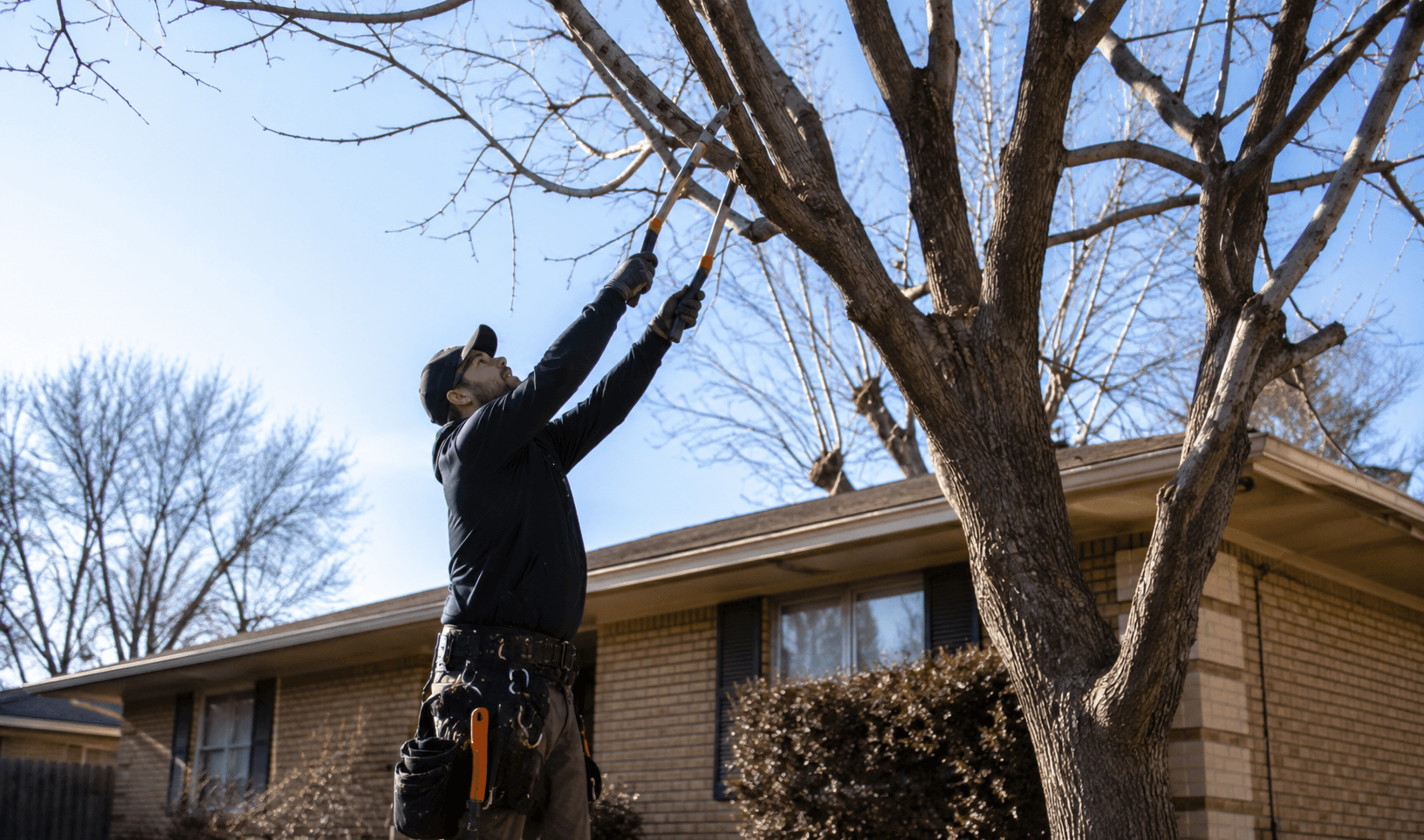
Small, low branches within safe reach are fine for most homeowners. Anything near power lines, requiring a ladder or climbing, or involving large limbs is worth handing to a professional, both for safety and because incorrect cuts can cause long term damage.
Every tree on your property is telling you something different about when it needs attention. If you're not sure whether your trees are due, a quick assessment is usually faster and cheaper than guessing wrong in either direction.