Weather affects tree trimming schedules in Amarillo by deciding two things: when a crew can work safely and when a tree can be cut without harm. Strong Panhandle winds, spring hail, late freezes, summer heat, and long dry spells all move jobs around. For most trees, the best window for tree trimming in Amarillo runs from late fall through winter, while trees are dormant.
That is the short version. The longer version matters because Amarillo weather is not like the rest of Texas. We get real winters, constant wind, and storms that can turn a calm afternoon into a cleanup job. Knowing how the seasons work helps you book at the right time and understand why a crew sometimes has to say “not today.”
The Quick Answer by Season
- Late fall to winter (November to February): Best time for most structural trimming, since trees are dormant.
- Early spring (March to mid April): Still good, but wind and the last freeze can delay work.
- Late spring to summer (May to August): Best for light trimming, dead limb removal, and storm cleanup. Avoid heavy cuts in peak heat.
- Early fall (September to October): Fine for light work. Wait for leaf drop before bigger jobs.
Why Weather Matters So Much in the Texas Panhandle

Every cut is a wound. A healthy tree seals it over, but that process takes energy, and energy is scarce when a tree is fighting heat, drought, or cold. The National Weather Service office in Amarillo reports an annual rainfall of about 20 inches, which makes this a semi arid climate. Trees here have less room for error than trees in wetter parts of the state.
Weather also decides whether a crew can work at all. Climbing, rigging, chippers, and chainsaws all get more dangerous when conditions turn. So weather shapes your schedule from two sides: tree health and worker safety.
Wind: The Number One Schedule Disruptor
If you live here, you know the wind. Panhandle wind is steady most of the year and tends to peak in late winter and spring. Gusty days can turn a routine job into a hazard, because wind shifts the weight of a limb while it is being cut and can send debris in directions nobody planned for.
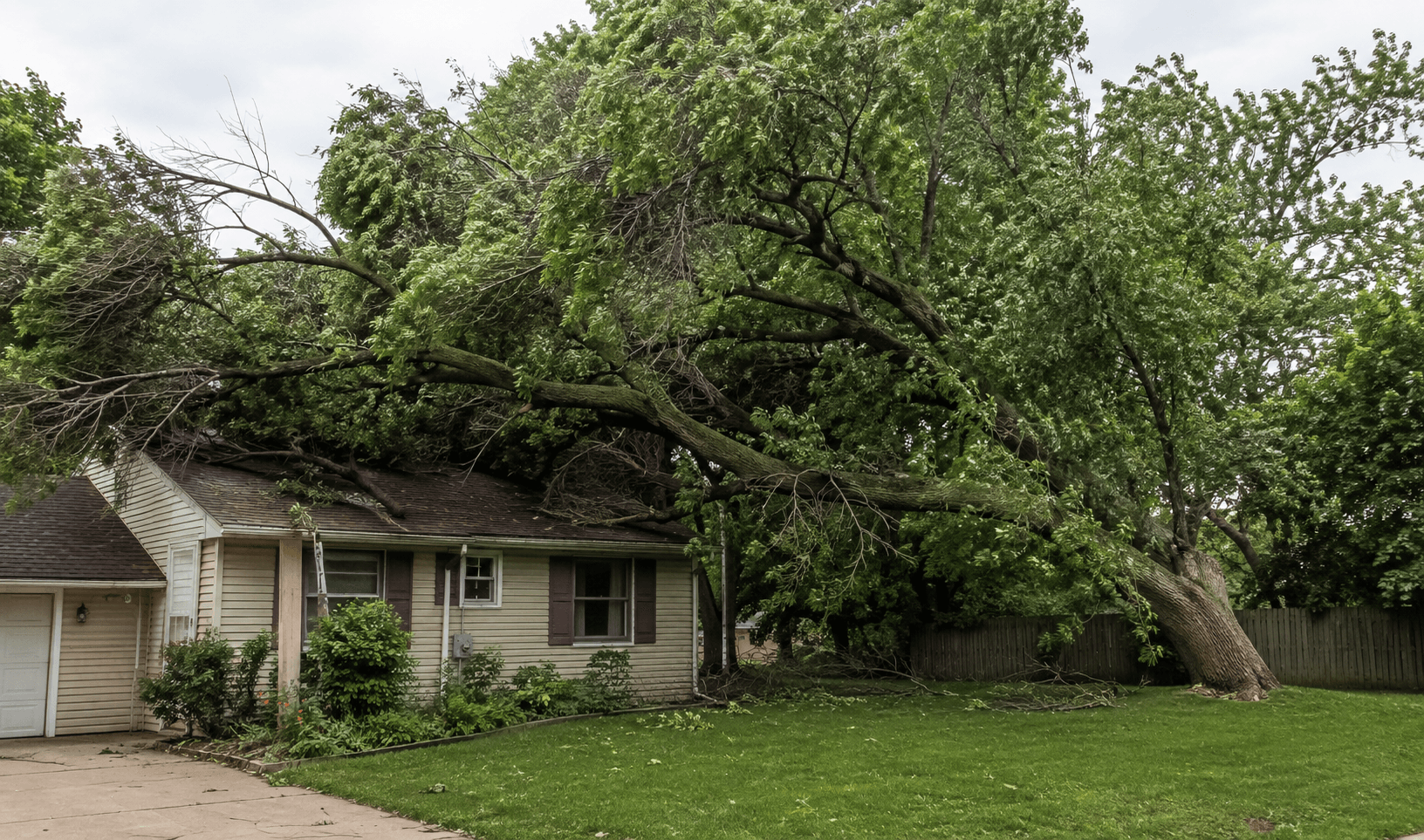
Professional crews typically pause or reschedule when gusts get strong. It is not a sign of delay or excuses. A branch that swings the wrong way can damage a roof, a fence, or a person. After a major wind event like the one that hit the Panhandle in March 2025, local tree companies fill up fast with cleanup calls, which pushes routine trimming back.
Winter: The Dormant Season Advantage
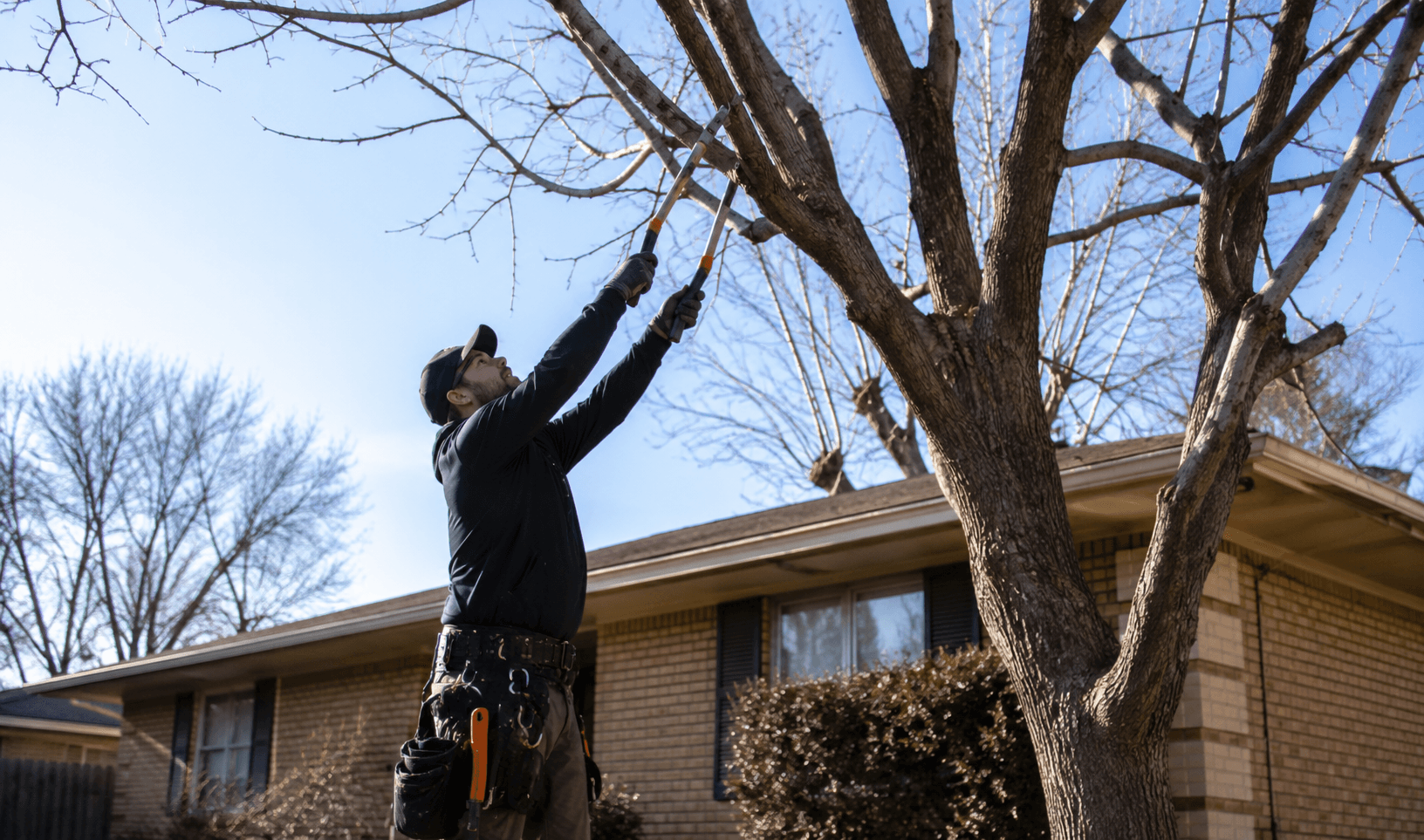
Texas A&M AgriLife Extension guidance points to the dormant season as the least stressful time to prune, with December and January often named as ideal. With no leaves, you can see the branch structure clearly. Trees are also not actively growing, so a cut costs them less.
Amarillo winters still bring their own limits. January lows average in the mid 20s, and we get snow, ice, and cold snaps. Frozen ground, icy limbs, and slick conditions can postpone a job by days. A good plan is to book your winter trimming early and stay flexible about the exact date.
One more rule from the AgriLife playbook: even in winter, avoid removing more than about one third of a tree’s canopy in a single season.
Spring: Late Freezes, Wind, and the Start of Hail Season
Amarillo’s average last freeze falls around April 18, according to the National Weather Service. Averages hide the swings, though. The last freeze has come as early as mid March and as late as early May. Heavy trimming too early can encourage tender new growth that a late freeze then burns.
Spring is also when thunderstorm season starts to build. NWS data shows most Panhandle hail falls between May and September, and storms bring damaging wind and lightning too. Crews watch radar closely this time of year, and a clear morning can turn into a canceled afternoon.
If you have spring flowering trees, trim them right after they bloom, not before. Cutting early removes the flower buds you were waiting for.
Summer: Heat, Drought, and Storm Cleanup

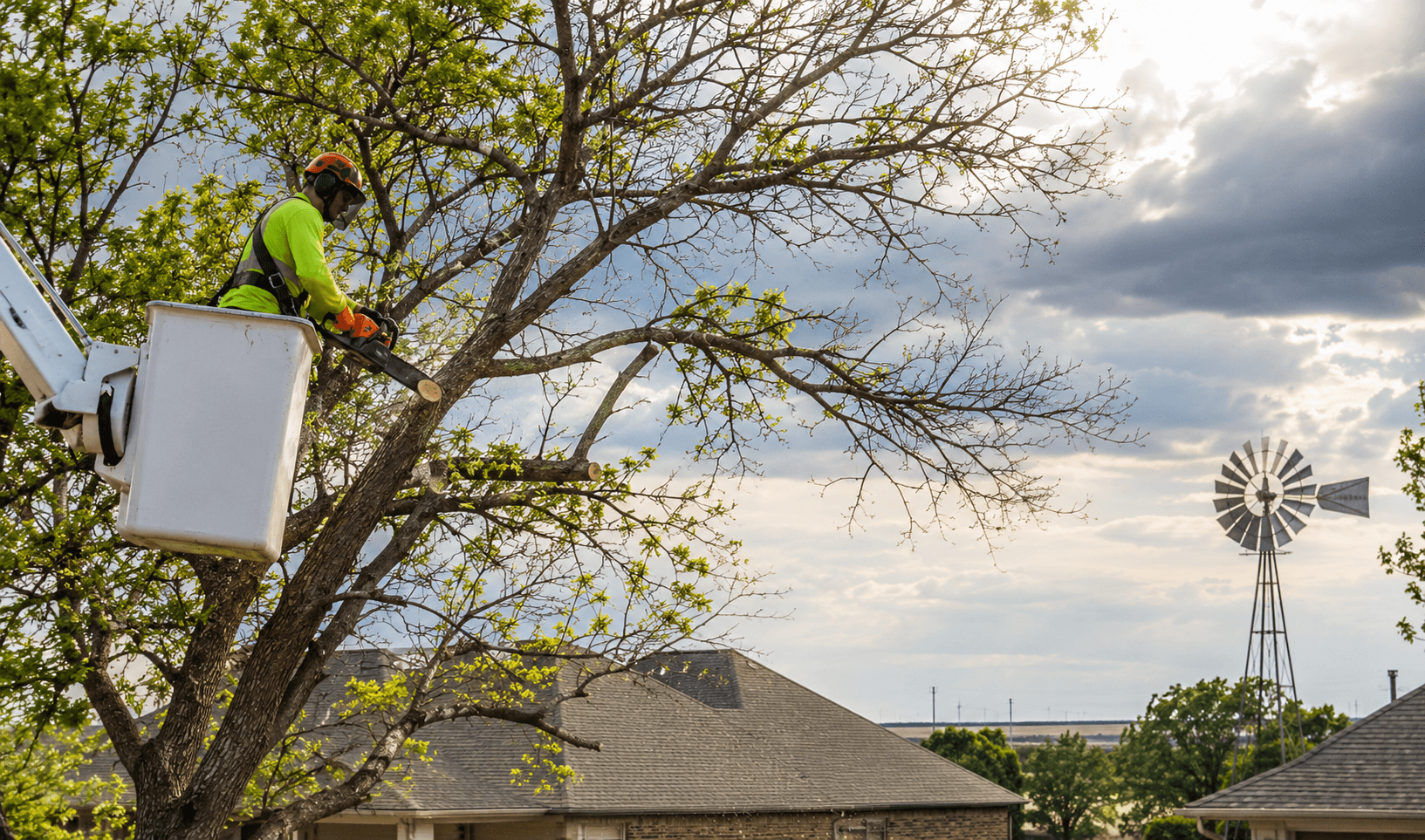
Amarillo summers are hot and often dry. Trees already working hard to stay hydrated do not need a major haircut on top of it. Light trimming is fine any time of year, so summer is a good season for removing dead wood, clearing hazards, and lifting low branches over a driveway.
Save heavy canopy reduction for the dormant season when possible. If a drought has been dragging on, ask your arborist whether the tree can afford to lose foliage at all.
Summer is also peak hail and storm season. After a storm, ragged and broken limbs are a real concern. Cleanup of storm damage jumps to the front of the line because it is a safety issue, which means routine jobs may slide a few days.
Fall: Early Freezes and a Good Planning Window
The first freeze in Amarillo averages around October 20, though recent years have varied. Leaves drop in November for many local species, and that is when the best trimming window begins to open. Fall is a smart time to schedule your winter work, because crews are still booking calendars before the holiday rush.
Local Trees and How Weather Treats Them
Amarillo’s urban canopy includes Siberian elm, cottonwood, bur oak, Chinese pistache, honey locust, and evergreens like pine and juniper. They do not all react to weather in the same way.
- Siberian elm and cottonwood: Brittle wood that drops limbs in strong wind. They often need more frequent attention, especially before spring storm season.
- Bur oak and other hardwoods: Strong, slow growing trees that respond best to careful dormant season pruning.
- Pine and juniper: Evergreens that never fully go dormant. Avoid cutting deep into bare inner wood, because junipers in particular may not regrow from it.
Storm Damage and Power Lines
After wind, ice, or hail, resist the urge to grab a ladder. Hanging limbs and cracked branches carry tension that is hard to judge from the ground.
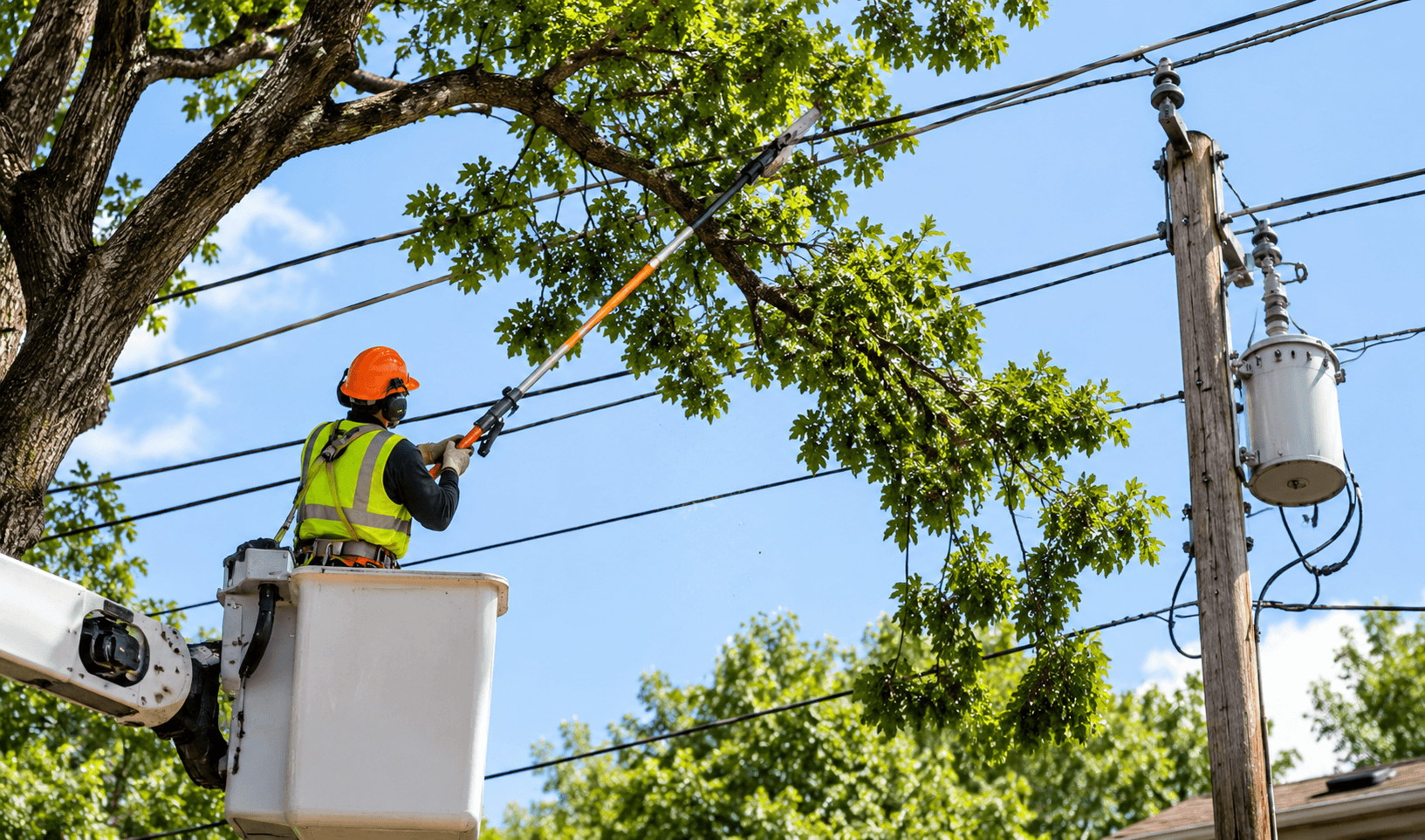
Never trim near power lines. Xcel Energy states that only its employees and contractors should trim trees within six feet of its lines. If a limb is touching or close to a line, call the utility first, then bring in a local emergency tree service for the rest.
How to Plan Your Tree Trimming Around Amarillo Weather

- Book early for winter. Dormant season is the favorite window, so calendars fill.
- Stay flexible. Ask for a target week, not a fixed hour.
- Check the forecast two days out. Wind and moisture are the usual reasons for a move.
- Handle hazards right away. A cracked or hanging limb should not wait for the perfect season.
- Get the scope in writing. Know what will be cut, what will be hauled away, and how weather delays are handled.
Frequently Asked Questions
1. What is the best month to trim trees in Amarillo? January and February are the strongest choices for most trees, since they are dormant and the weather is usually workable. December and early March also work well.
2. Can you trim trees in the rain? It is best avoided. Wet conditions make climbing unsafe, and fresh cuts exposed to moisture can invite disease. Most crews reschedule rather than push through.
3. Do tree crews work in high wind? Usually not when gusts are strong. Wind makes limbs unpredictable and puts the crew and your property at risk, so jobs get moved to a calmer day.
4. Is it okay to trim trees in summer in Amarillo? Yes, for light work like dead wood removal and hazard clearing. Heavy trimming is better saved for the dormant season because heat and drought already stress trees.
5. How soon after a hailstorm should I trim? Remove hanging or broken limbs promptly, since they are a safety risk. Cosmetic cleanup and shaping can wait until the right season.
6. How far ahead should I book tree trimming? Aim for several weeks ahead of the winter season. After a big storm, expect longer waits because emergency work comes first.
Plan Your Tree Trimming in Amarillo
The right schedule depends on your tree, its condition, and what the weather is doing that week. If you want a plan that fits the season, Open Sky Tree Service can look at your trees and recommend timing for tree trimming in Amarillo, Canyon, Bushland, Lake Tanglewood, Tascosa, and Randall County. Request an estimate and we will help you pick a window that protects both your trees and your property.